
Vous voulez apprendre à attraper le grand la prochaine fois que vous vous dirigez vers votre lac ou votre rivière préférée? Ou se préparer pour essayer un nouveau spot de pêche pour la première fois? Ne partez pas jusqu'à ce que vous ayez atteint les dernières astuces et techniques de pêche de notre pêcheur professionnel.
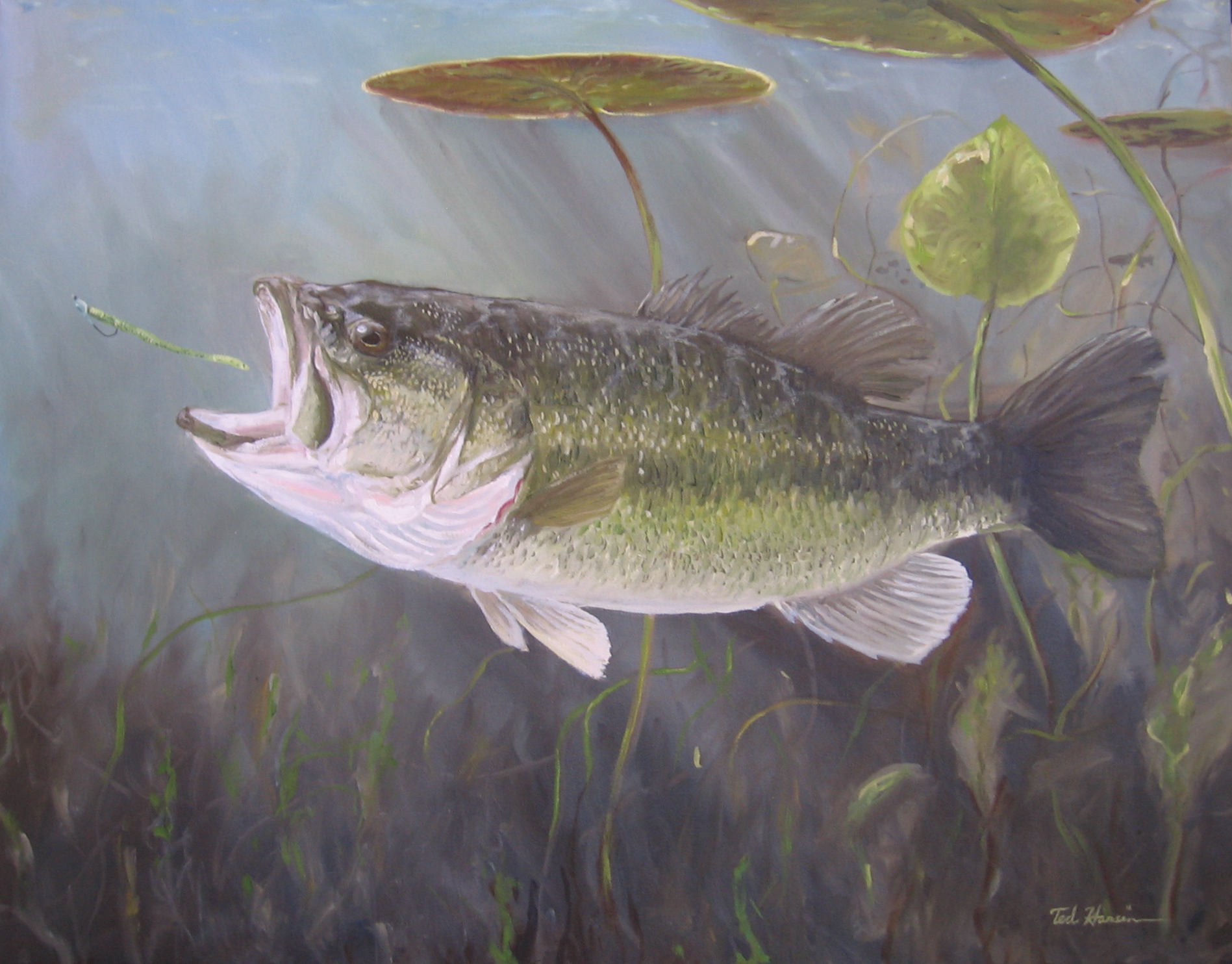
In early spring, bass move onto reservoir flats to warm up prior to spawning. They’re sluggish in cold water, so they’ll often ignore a fast-moving crankbait or a bulky spinnerbait. But a jig that is swimming like a slow-moving baitfish is an offer they often can’t refuse. A weedless, 1⁄8- to 3⁄8-ounce jig in black, brown, or green pumpkin works best with this horizontal presentation. Tip the hook with a matching pork or plastic chunk trailer to add a realistic fluttering action. Fish the combo on a 7-foot, medium-heavy spinning or baitcasting outfit with 8- to 12-pound fluorocarbon.
1. Steady
Position your boat on the outer edge of the flat, ideally in 10 to 12 feet of water. Bass will hold around bottom transitions—areas where gravel changes to mud, or mud changes to chunk rock and scattered wood or rock cover. Make a long cast and let the jig sink to the bottom.
2. Swim
With your rod held rock-steady at 2 o’clock, reel quickly so the jig shoots off the bottom, then begin a medium-slow, steady retrieve so it swims like a baitfish. The trick is to retrieve the jig so it follows the bottom contour. If you feel it drag bottom, reel a little faster. If you haven’t felt it drag bottom in a while, slow down a little until it does, then speed up again.
3. Strike
Bass strikes are often light in cold water. If you feel a tick or detect any suspicious weight on your line, set the hook hard.